Woven Wire Screens
Woven wire screens published by Red Star Wire Mesh Manufacturing Co., Ltd., a Hebei, China screen supplier.
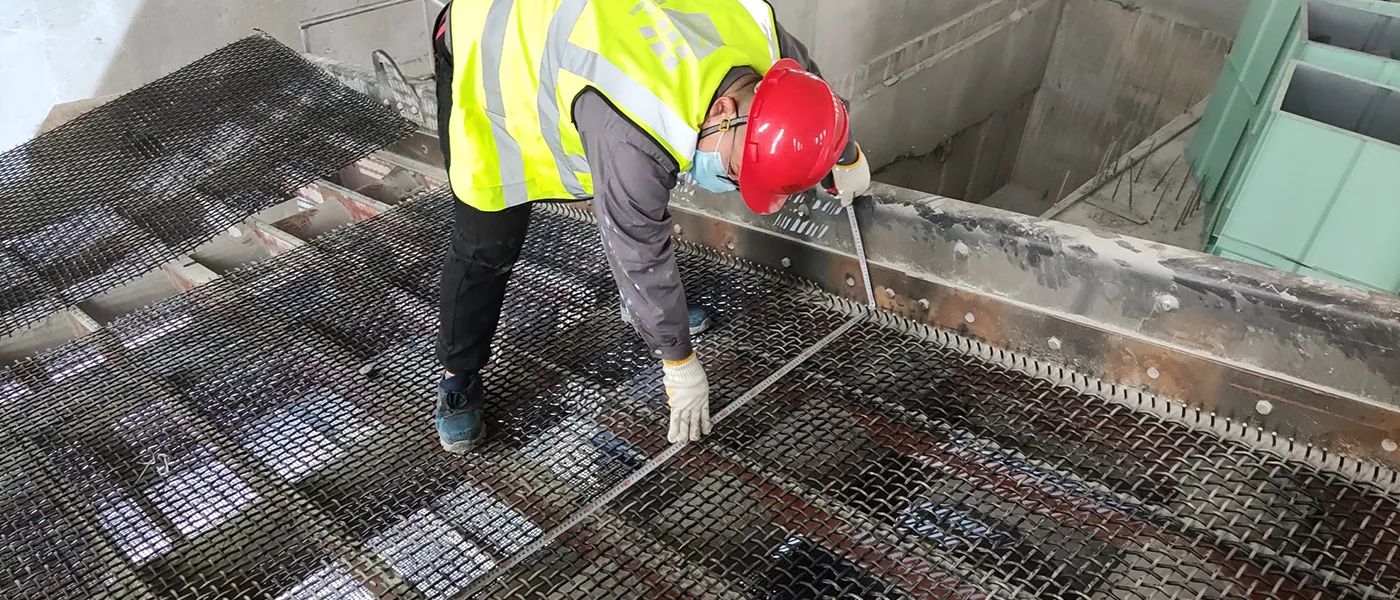
What a woven wire screen is
A woven wire screen is made by weaving wire into a mesh, producing a regular, open pattern that material passes across during screening. The woven structure gives the surface a flexibility that a rigid sheet does not have, and the openness of the pattern lets finer material pass through while larger pieces travel onward. Because the mesh is woven rather than punched, the openings follow the weave, and the behaviour of the surface during screening follows from that construction rather than from any single dimension.
Woven wire screens appear across the supplier's published applications, from mining and quarry work to recycling and water treatment screening. That breadth reflects the versatility of a woven surface rather than a claim that one woven screen fits every task. A buyer should still describe the material and the setting in the inquiry, because the same woven family can be suited to one feed and poorly suited to another, depending on how the material behaves on the surface.
Behaviour during screening
During screening, a woven surface vibrates with the equipment it is fitted to, and that movement helps material separate and travel. Material that is dry and free-flowing tends to pass through the openings readily, while material that is damp or sticky may cling to the wires and narrow the openings over time. A buyer dealing with sticky feed should raise cleaning and maintenance in the inquiry, and should consider whether a self-cleaning family would behave better for that feed before settling on a woven screen.
Wear is the other behaviour worth asking about. Wire in a woven screen is exposed to the material passing over it, and the working life of the surface depends on the material, the throughput, and the setting. This site publishes no wear figures, and a buyer should not assume a working life from another supplier's numbers. The inquiry should describe the material and ask the supplier what it can say about wear and replacement for that specific task.
What to describe in a woven wire screens inquiry
An inquiry about woven wire screens should name the family, describe the material being screened, and describe the setting in which the screening happens. It should say whether the material is dry or damp, whether it tends to stick or pack, and whether the feed is steady or mixed. Those descriptions let the supplier say whether a woven screen fits, whether a different family would behave better, and what further details it needs before it can confirm availability.
The inquiry should also ask about maintenance, about certificate scope for the woven family, and about the minimum order and lead time for the quantity being considered. None of those topics carries a published figure on this site, so each one is framed as a question to confirm. A buyer who covers all of them in the first message will receive a reply that can be compared against the category description, and any gap in the reply becomes a clear follow-up question.
Questions to settle before ordering woven wire screens
- Is the material dry and free-flowing, or damp and prone to sticking on a woven surface?
- Does the feed stay steady, or does it change in ways that affect separation?
- What maintenance and wear questions should the inquiry raise for woven wire screens?
- Which certificate scope should be confirmed for the woven family?
Related pages
Ask Red Star about woven wire screens
Use the inquiry page to describe the screen category, the intended screening task, and the setting, and to ask about availability, certificates, and timing.
Please confirm the minimum order quantity in your inquiry.
Please confirm the lead time before placing an order.
Please confirm the acceptable trade terms and payment method before confirming an order.
Please describe the screen category, the intended screening task, and the setting in your inquiry, so the supplier can confirm whether the order can be accepted.
Certificates available upon request.
Category names on this site follow the product categories published on the supplier website. No product parameters, aperture figures, wire-diameter figures, material grades, or specification tables are published on this site; those details belong in the inquiry.